 Defensa y Justicia Hub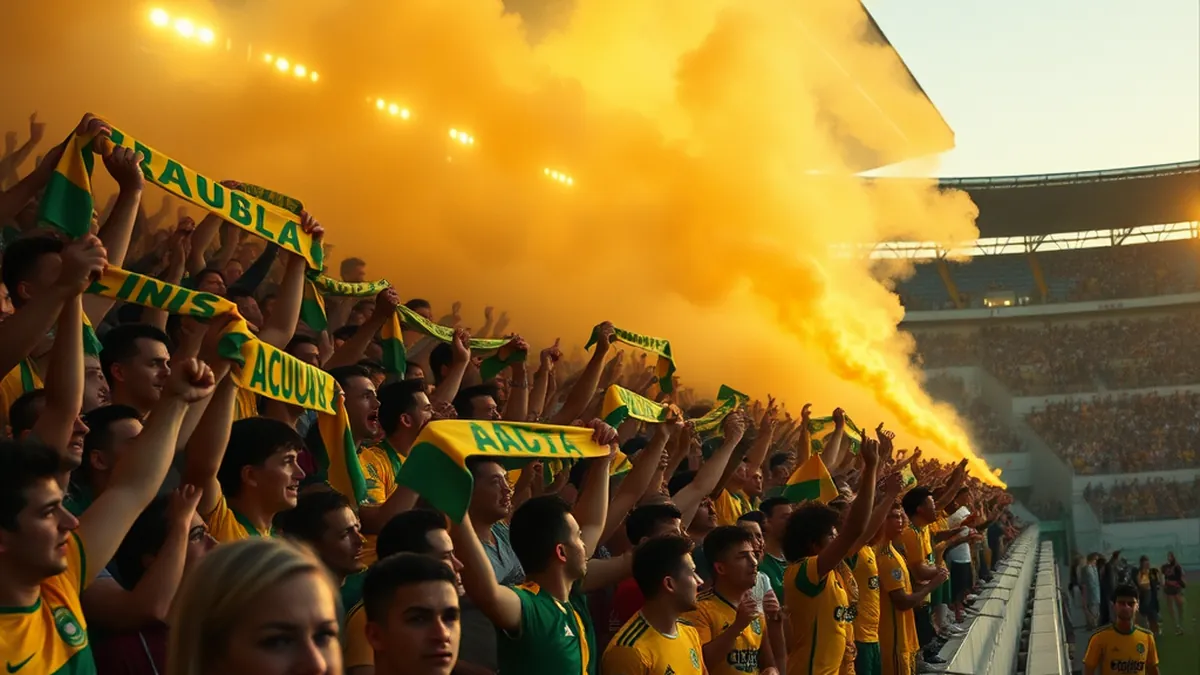
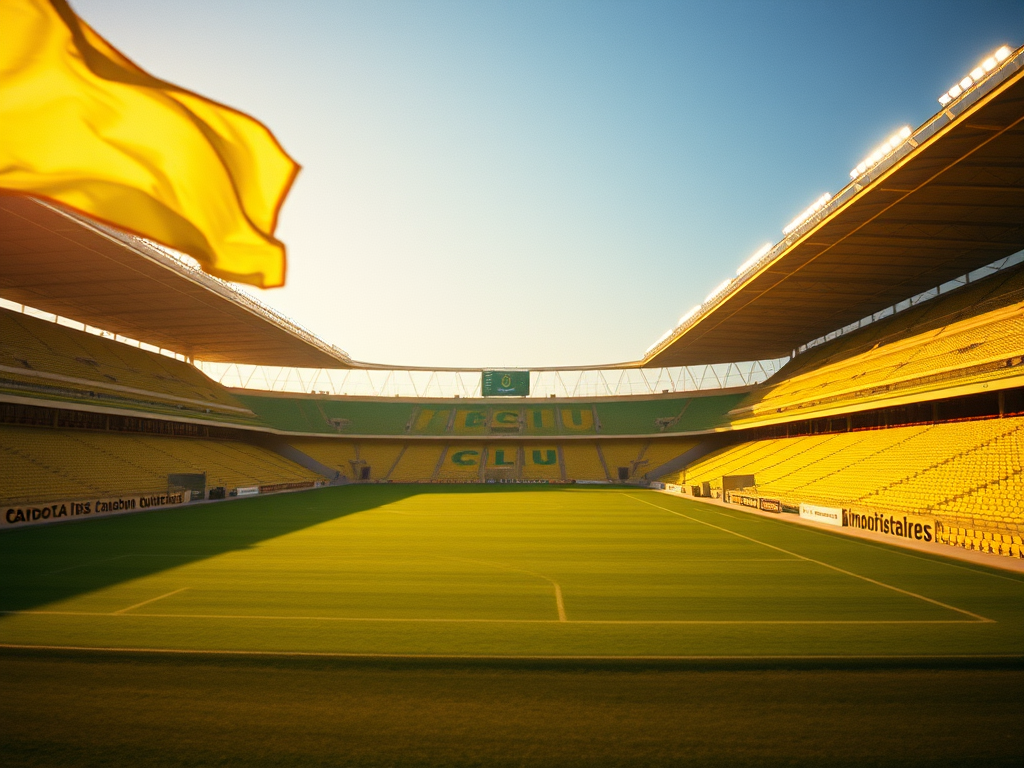
In the heart of Florencio Varela, Estadio Norberto "Tito" Tomaghello becomes the epicenter of football passion every time Defensa y Justicia faces its eternal rival, Club Atlético Huracán. This match is not just a game; it is a celebration of fan culture, where every corner of the stadium resonates with chants, flags, and a fervor that fills the air.
The supporters' rituals begin long before the referee blows the whistle. The pre-match atmosphere in the streets surrounding the stadium is a burst of colors and emotions. Families and friends gather to share a barbecue, while others prepare to hang their banners near the stadium. The smell of choripán and the sound of drums and trumpets blend into a symphony that anticipates the spectacle to come.
As fans enter the stadium, a sea of green and yellow is visible, the colors that represent El Halcón. Each supporter carries with them the history and tradition that have been passed down from generation to generation. The climax of this arrival is the famous "Tifo" that unfolds in the stands, where fans raise enormous banners honoring the idols of the past and present. This visual spectacle not only lifts the spirits of those present but also intimidates the opponents entering the field.
The atmosphere in the stadium during the match is electric. There is no corner where the echo of the chants does not resonate. The songs, many of which are composed by the fans themselves, tell stories of glory and suffering, of memorable victories and painful defeats. The El Halcón community unites in a single chorus, creating an environment that ignites the players' spirits on the field. Every goal is celebrated as a personal victory, and every standout play is met with deafening cheers.
The clash against Huracán, known as the "Clásico del Sur," is the moment where all this passion intensifies. The rivalry transcends football, and the atmosphere generated is unparalleled. The most fervent fans group together in the home stand, creating a human wall that supports their team unconditionally, while the visiting fans try to make their presence felt with all their might. This competitive atmosphere generates a whirlwind of emotions, where love for the club faces the adversity of rivalry.
At the end of the match, regardless of the result, Defensa y Justicia fans show their loyalty. The chants of encouragement continue, reaffirming that the true victory lies in the unwavering support they provide to their beloved Halcón. Thus, the culture of Defensa y Justicia fans extends beyond a mere match; it becomes a way of life, a legacy that is passed down from generation to generation.