 Defensa y Justicia Hub
Analyzing Defensa y Justicia's performance this season, a clear trend has emerged: tactical versatility. Under the management's direction, the team has adapted to different playing systems depending on the opponent, a fundamental factor in their recent success.
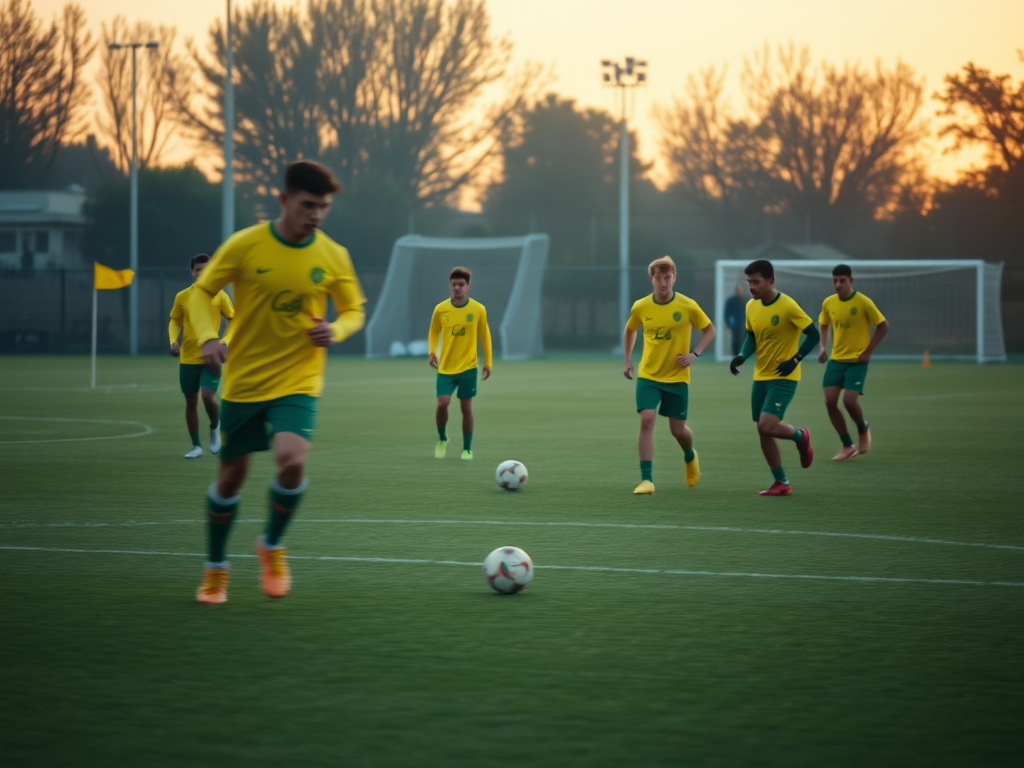
In the match against Racing Club, Defensa y Justicia started with a defensive 4-2-3-1 setup, aiming to contain their rivals' attack. However, after conceding a goal, the team switched to an audacious 3-4-3 to seek an equalizer, which allowed them to dominate the midfield and create more attacking opportunities. These types of tactical adaptations are what set Defensa y Justicia apart in the league.
Statistics support this versatility. In the last five matches, the team's average possession has increased by 10%, reflecting their ability to control the game. Key figures such as É. Banega have been crucial, showcasing their quality in passing and play creation. Banega's vision facilitates the transition between defense and attack, positioning forwards like F. Altamira favorably.
As the season progresses, Defensa y Justicia's ability to adjust to varying scenarios will be crucial. Every match presents a new challenge, and the team seems well-prepared to face them. Tactical quality is not just a hallmark of the club; it also raises supporters' expectations for securing a spot in international competitions.