 Defensa y Justicia Hub
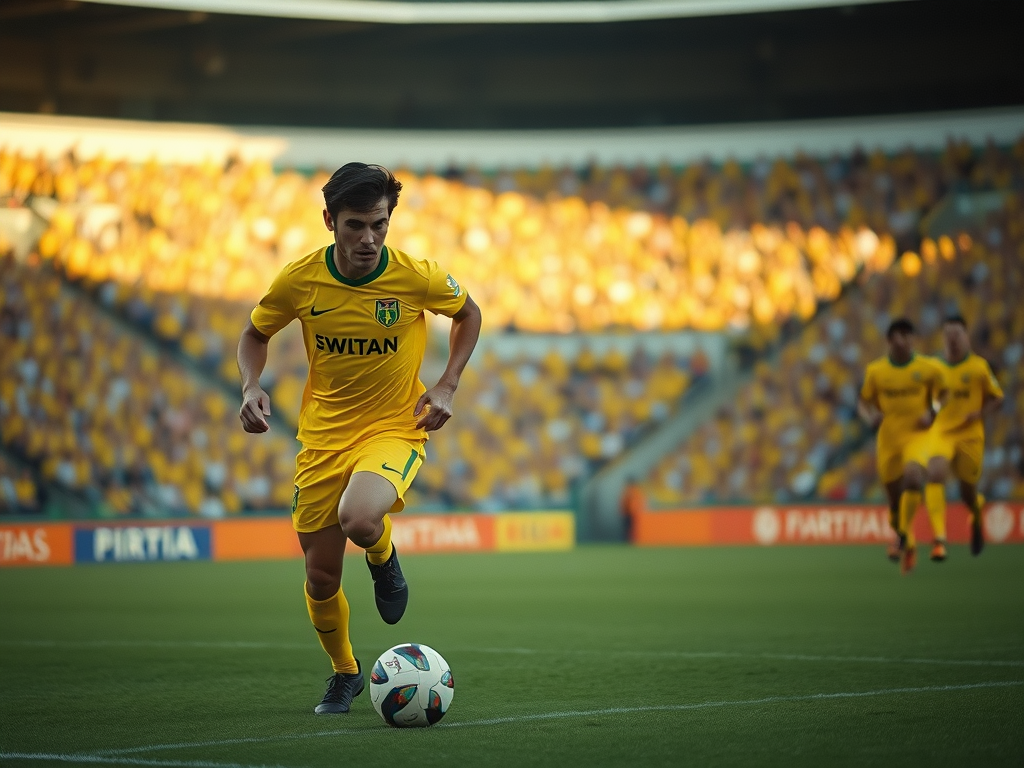
Defensa y Justicia's tactical flexibility has become a topic of conversation this season. In recent matches, the team has implemented various formations, adapting to the playing styles of their opponents. However, two alignments have stood out: the 4-4-2 and the 4-2-3-1, used in victories over Tigre and Unión respectively.
The use of the 4-4-2 has allowed players like É. Banega and Mateo Aguiar to create play from midfield freely, while forwards F. Altamira and D. Barbona have thrived in their explosive attacking style. This formation has provided defensive stability while fostering offensive creativity.
On the other hand, adopting the 4-2-3-1 has been crucial for facing stronger teams. With D. Cáceres and E. Amor as defensive pillars in the middle, the team can press high, regaining the ball quickly and launching counterattacks. This strategy has proven effective, especially in high-intensity matches.
Defensa y Justicia's ability to adapt to different tactics not only shows their versatility but also reflects the work of the coaching staff, who have been able to read matches and respond effectively. In the essence of football, this adaptability is one of the most important aspects for achieving success.